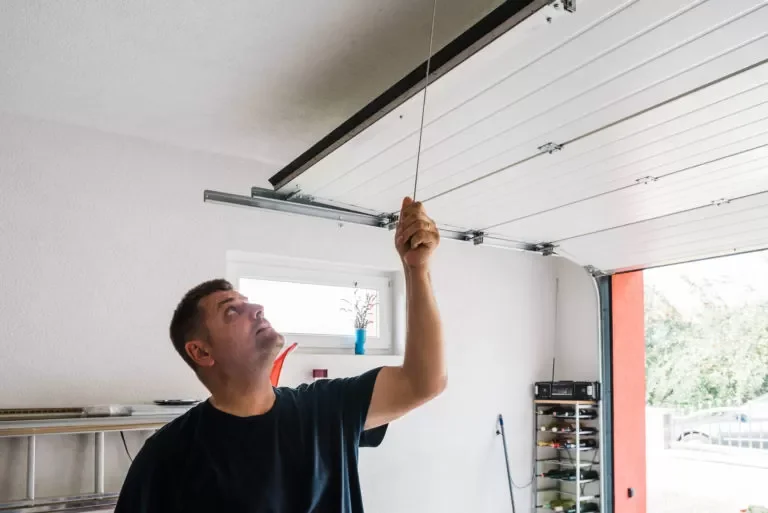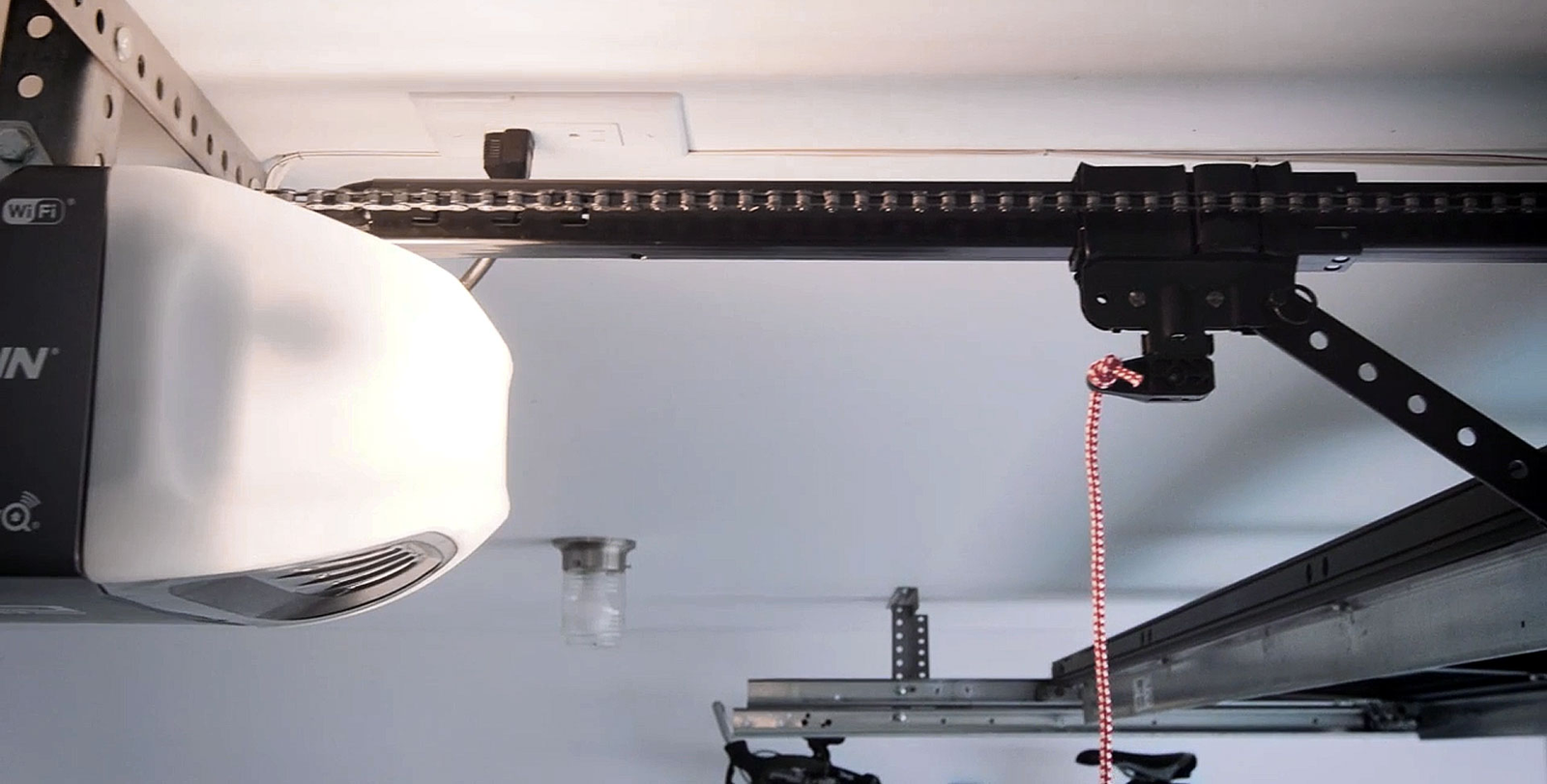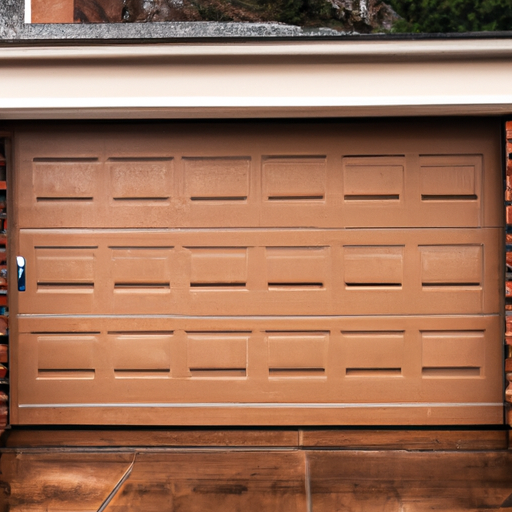
Homeowners in Teaneck, NJ face choices when planning garage door repair that affect durability, insulation, and long-term cost. Picking the right material for a garage door or a replacement panel is one of the smartest steps you can take during any garage door repair project. This guide helps local homeowners decide between steel, aluminum, wood, composite, and fiberglass so repairs last through New Jersey weather.
Why material choice matters for garage door repair
The material determines how your garage door performs. For many people the most important factors are:
- Resistance to rust and moisture from coastal storms and spring humidity
- Insulation value to reduce heating costs in winter
- Weight and how it affects springs, openers, and long-term maintenance
- Aesthetics and curb appeal for resale value
- Cost of repair parts and availability for quick fixes
When a technician arrives for garage door repair, they’ll assess whether a damaged section, single panel, or the entire door must be replaced based on material condition and cost-effectiveness.
Common garage door materials and what to expect
Steel
Steel is the most common material for residential garage doors because it’s strong, cost-effective, and available in insulated and non-insulated options. For Teaneck homeowners, steel offers solid protection against wind and impact and can be finished with rust-resistant coatings.
- Pros: durable, good security, available insulated models.
- Cons: can dent; needs rust protection over time in humid seasons.
- Repair notes: dented panels often replace quicker than repair; springs and tracks are rated for typical steel door weights.
Aluminum
Aluminum is lighter than steel and resists rust, making it a good choice for humidity-prone areas. However, it dents more easily and may be less insulating.
- Pros: rust-resistant, lightweight, modern look.
- Cons: dents, lower insulation; may need reinforcement for larger doors.
- Repair notes: lighter weight reduces strain on openers but damaged sections may require full panel replacement.
Wood
Wood doors deliver classic curb appeal and can be repaired or refinished. In New Jersey’s variable climate, proper finishing and regular maintenance are essential to avoid rot and warping.
- Pros: attractive, customizable, repairable grain and finish.
- Cons: requires sealing, can swell or rot without upkeep, higher cost.
- Repair notes: local technicians can match stains and replace sections, but full door replacement is sometimes recommended when rot is extensive.
Composite (engineered wood)
Composite doors mimic wood grain but use engineered materials to resist moisture and splitting. They offer a balance between aesthetics and low maintenance.
- Pros: wood look with better moisture resistance, stable in humidity.
- Cons: can be pricier than steel; check warranty specifics for coastal conditions.
- Repair notes: panels are often modular and can be swapped during a garage door repair visit.
Fiberglass
Fiberglass resists corrosion and can be molded for textured finishes. It’s lightweight and suitable for mild coastal exposure but can become brittle in extreme cold.
- Pros: corrosion-resistant, low maintenance, good for coastal homes.
- Cons: may discolor; vulnerable to cracking under heavy impact.
- Repair notes: small cracks can be filled, but replacement panels are common for larger damage.
Choosing materials for Teaneck, NJ climate and lifestyle
Teaneck sees humid summers, cold winters, and variable storms. Use these checkpoints when planning garage door repair or replacement:
- Insulation (R-value): If your garage is attached or you use it as a workspace, choose insulated steel or composite panels to reduce heating costs.
- Rust resistance: For areas that salt roads in winter or see heavy humidity, prioritize rust-resistant coatings or materials like aluminum or fiberglass.
- Weight and opener compatibility: Heavier doors need stronger springs and openers—confirm component ratings during repair to avoid repeat service calls.
- Noise and operation: Quieter materials and balanced weight reduce vibration and noise in attached homes.
If you want deeper reading on maintenance and seasonal checks after a repair, see our posts at https://garagedoors-teaneck.com/blog.
Cost, timelines and when to repair vs replace
Deciding between repairing a panel, replacing hardware, or installing a new door depends on material condition, age, and cost. Typical local considerations:
- Minor dent or single-panel damage: panel replacement or local repair usually completed same day or within 48 hours for stocked parts.
- Spring, cable, or opener failure: often repairable within a single service visit; safety components may be replaced together.
- Extensive rot, corrosion, or multiple damaged panels: full door replacement is often more cost-effective and comes with better warranty options.
Price ranges in Teaneck for common scenarios (ballpark): single-panel repair $150–$450, spring replacement $200–$350, full door replacement $900–$3,500 depending on material and insulation. For a precise estimate, schedule a local inspection via our contact page.
Warranties and residential service expectations
Ask about manufacturer warranties on panels and paint, and service warranties on labor and parts. A trusted residential service provider will explain coverage limits for coastal exposure and whether finish warranties apply in humid or salty environments.
Practical checklist for your next garage door repair
- Confirm material type and age during inspection.
- Request an itemized quote showing parts, labor, and recommended replacements.
- Compare insulated vs non-insulated options for energy savings.
- Verify spring and opener ratings if replacing the door material.
- Ask about paint/finish options and local permits if your change affects curb appearance.
- If you plan larger upgrades, review our full range of installation and maintenance services at https://garagedoors-teaneck.com/services.
Choosing the right material at repair time can reduce repeat calls and keep your door operating safely for years. Whether you need a quick panel swap, spring replacement, or a full-material upgrade, the right local technician will match materials to Teaneck climate and your home’s needs.
Frequently Asked Questions — Teaneck, NJ
Q: How does Teaneck weather affect material choice for garage door repair?
A: Humidity and winter salt can accelerate rust and rot. Choose rust-resistant finishes, aluminum, fiberglass, or composite materials for lower maintenance. Insulated steel with a quality coating is also common for local homes.
Q: How long does a typical repair take in our area?
A: Most single-panel or spring repairs are completed the same day or within 24–48 hours if parts are in stock. Full door replacements typically take 1–3 business days depending on material and custom options.
Q: What price range should Teaneck homeowners expect for common repairs?
A: Ballpark local ranges: panel repair $150–$450, spring replacement $200–$350, and full door replacements $900–$3,500 depending on material and insulation level.
Q: Are permits required in Teaneck for garage door replacement?
A: Minor repairs rarely require permits. Full replacements that change door size or structural openings may need permits—check with local building officials and your installer can help verify requirements.
Q: What warranties should I expect with a material change?
A: Manufacturer warranties cover panels and finishes; labor warranties cover installation work. Ask about corrosion warranties and finish guarantees for coastal or high-humidity coverage.
Helpful local resources in Teaneck, NJ
- Garage Door Repair Hoboken
- Garage Door Repair Montclair
- Garage Door Repair Westfield
- Garage Door Repair Summit
- Garage Door Repair Maplewood
- Garage Door Repair Livingston
- Garage Door Repair Short Hills
- Garage Door Repair Princeton
- Garage Door Repair Red Bank
- Garage Door Repair Morristown
- Garage Door Repair Chatham
- Garage Door Repair Mendham
- Garage Door Repair Bernardsville
- Garage Door Repair Bedminster
- Garage Door Repair Clinton
- Garage Door Repair Tenafly
- Garage Door Repair Ridgewood
- Garage Door Repair Upper Saddle River
- Garage Door Repair Wyckoff
- Garage Door Repair Basking Ridge
- Garage Door Repair South Orange
- Garage Door Repair Teaneck
- Garage Door Repair Fort Lee
- Garage Door Repair East Brunswick
- Garage Door Repair Montvale
- Garage Door Repair Haddonfield
- Garage Door Repair Marlboro
- Garage Door Repair Cranford
- Garage Door Repair Voorhees
- Garage Door Repair North Caldwell