Choosing the Right Materials for Garage Door Repair in Teaneck, NJ
Homeowners in Teaneck, NJ face specific choices when they need garage door repair. Local weather, street salt, and the age of an existing door all affect which materials will deliver the longest life and the best performance. This guide explains common materials, practical trade-offs, and quick steps to pick the right option for your home.
Why material choice matters for garage door repair
The phrase garage door repair covers everything from replacing a damaged panel to installing a whole new door. Material determines durability, maintenance, insulation value, appearance, and cost. In northern New Jersey, freeze-thaw cycles and occasional coastal air make corrosion resistance and insulation key concerns.
Common materials: pros, cons, and local tips
Steel
Steel doors are the most common choice for residential garage door repair. They offer strong impact resistance, moderate cost, and wide availability of insulated models.
- Pros: durable, widely available insulated options, low maintenance when painted or finished properly.
- Cons: vulnerable to rust where finishes are damaged; garages near busy roads or the coast need more frequent touch-ups.
- Local tip: choose galvanized or powder-coated steel for Teaneck homes to reduce corrosion risk during winter road-salt season.
Aluminum
Aluminum is lightweight and resists rust, which makes it good for wider doors or custom styles. It’s often used when weight reduction is needed for older openers.
- Pros: rust-resistant, lightweight, modern styling options.
- Cons: can dent more easily than steel; lower insulation unless filled with foam.
- Local tip: if energy efficiency matters, choose insulated aluminum panels to maintain R-value in colder months.
Wood and composite wood
Wood doors offer classic curb appeal and can be the right choice for historically styled homes. Composite (engineered) wood gives the look with less maintenance.
- Pros: excellent aesthetics, customizable stains/finishes.
- Cons: higher maintenance in NJ’s humidity and freeze-thaw cycles; solid wood can warp or rot if not sealed properly.
- Local tip: composite wood resists moisture better than natural wood and is recommended for Teaneck homeowners who want the wood look without constant upkeep.
Fiberglass
Fiberglass works well in humid or coastal-like microclimates because it doesn’t rust or rot. It’s also a lightweight option.
- Pros: resists corrosion and rot, low maintenance, good for styles that mimic wood grain.
- Cons: may discolor over time in direct sun; not as impact-resistant as steel.
- Local tip: fiberglass can be a smart choice if your garage faces south and receives strong sunlight most of the day.
Insulation, R-value, and energy considerations
Choosing materials is only part of the energy equation. Insulation (often polyurethane or polystyrene infill) and proper sealing affect comfort and energy bills, especially if the garage is attached.
- Measure the R-value you need: for most Teaneck homes, an insulated steel or composite door with an R-value between R-6 and R-12 is a common upgrade.
- Check the threshold and weatherstripping during a repair: even a solid material underperforms if gaps remain.
Hardware, weight, and opener compatibility
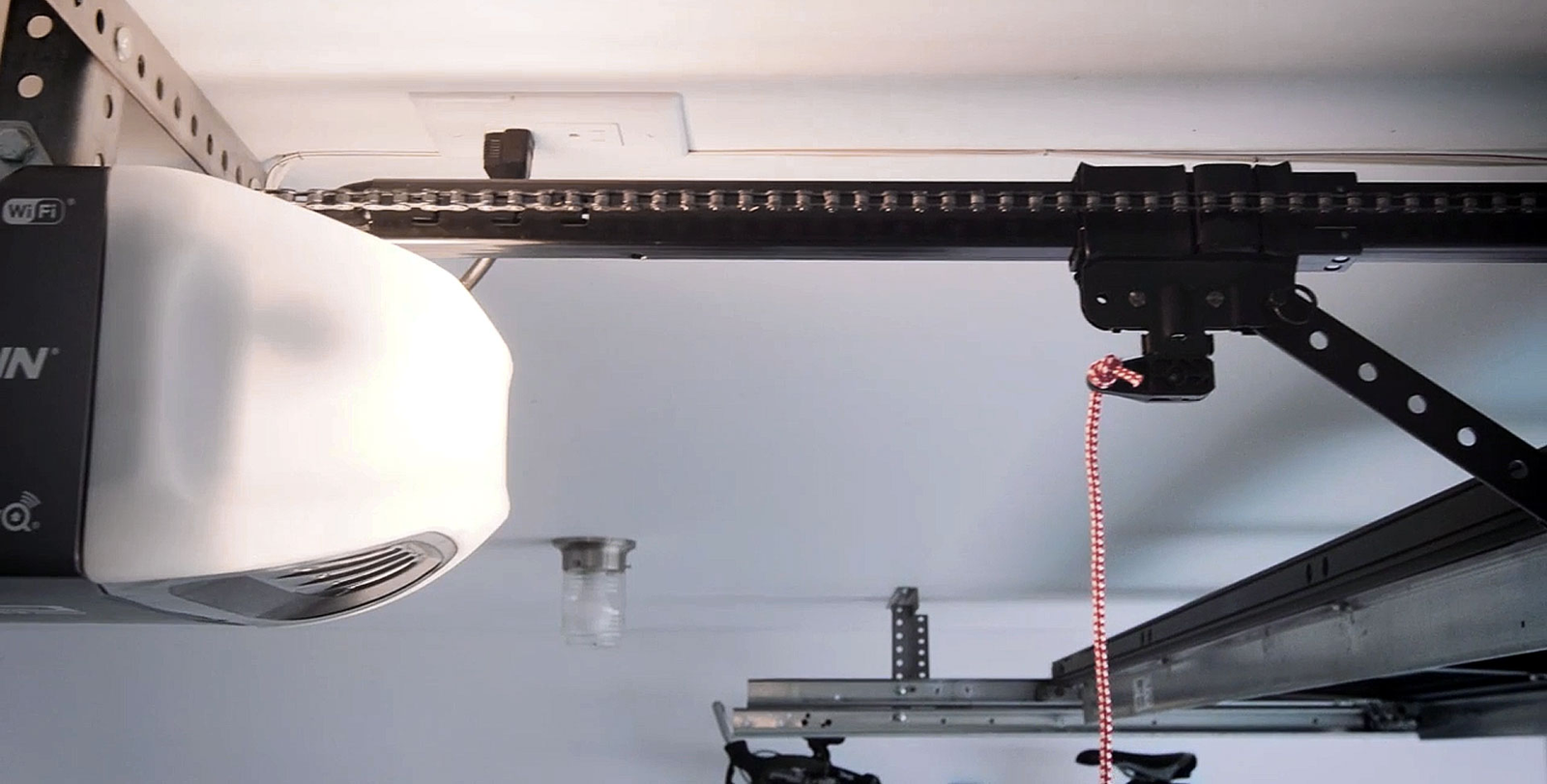
Material affects door weight and, in turn, the hardware and opener you need. A heavier steel or solid wood door requires appropriately rated springs and a stronger motor. When planning garage door repair, confirm the opener can handle the replacement door’s weight and balance.
Cost ranges and expected timelines
Costs depend on material, panel style, hardware, and whether you choose repair or full replacement. Typical NJ ranges for common projects:
- Panel repair (steel or aluminum): lower cost, often same-day to two-day turnaround.
- Full door replacement (steel, insulated): moderate cost, 1–3 days including removal and installation.
- Custom wood or composite door: higher cost, may require a week or more if ordered and stained to match.
Always ask for a written timeline and parts lead time before authorizing work.
Permits, warranties, and local codes
Teaneck building rules can require permits for certain structural changes. Simple component repairs often don’t require permits, but a full replacement that alters header framing or opening size usually does. Check with your township if you’re unsure.
Warranty terms vary: factory warranties cover material defects, while workmanship warranties come from the installer. For any garage door repair project, get both warranties in writing and record finish or paint instructions to preserve coverage.
How to decide: a practical decision flow
Use this quick checklist when you evaluate options for garage door repair:
- Is the damage isolated to a panel or structural? If isolated, panel replacement in the same material can be cost-effective.
- Does your opener support the new door weight? If not, budget for an opener upgrade.
- Do you want lower maintenance or a specific look? Choose composite/fiberglass for low maintenance, wood for appearance, steel for durability.
- Is insulation important? Choose insulated steel or insulated aluminum panels.
- Consider long-term maintenance costs, not just initial price.
Working with a professional
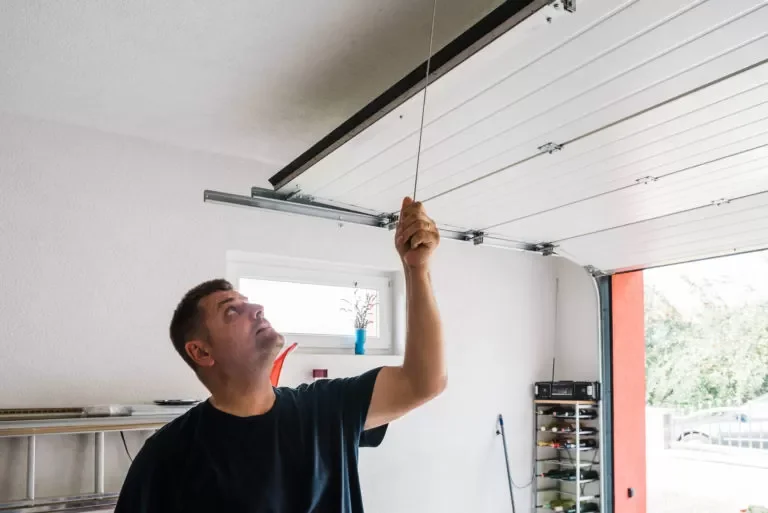
Qualified technicians inspect spring tension, track condition, and balance as part of material recommendations. A professional team can also advise on paint finishes, hardware upgrades, and energy improvements specific to Teaneck homes.
For a clear scope and formal estimate that lists materials, labor, and timelines, consult local pros and review recent project photos or references on the company’s site. For reading on common material choices and deeper comparisons, see our blog.
Next steps: plan your repair
To move forward: schedule an on-site inspection so the technician can measure the opening, evaluate the existing hardware, and recommend specific materials and warranties. If you’re ready for a quote or to schedule service, reach out directly via our contact page or review typical offerings on our services list.
Choosing the right material reduces return visits and keeps your garage functioning reliably through New Jersey seasons.
Frequently Asked Questions — Teaneck, NJ
Q: Do I need a permit to replace my garage door in Teaneck?
A: For most simple replacements or panel repairs you won’t need a permit. If the project changes structural framing, header sizing, or the opening location, Teaneck may require a permit. Ask your contractor to confirm and pull permits when needed.
Q: How long does a typical garage door repair or replacement take?
A: Minor repairs (springs, rollers, panel swaps) are often completed same-day. Full door replacements typically take 1–3 days depending on custom finishes or parts lead time. Your technician will provide a timeline in the estimate.
Q: What price range should I expect for a new insulated steel door?
A: In the NJ market, an insulated steel replacement (materials plus installation) commonly ranges from a moderate to higher price band depending on R-value and panel style. Ask for a written quote with material grade, insulation R-value, and warranty details.
Q: Does winter salt and road spray affect material choice?
A: Yes. In areas with road salt or coastal exposure, choose rust-resistant finishes (galvanized, powder-coat) or nonmetal options like fiberglass/composite to reduce long-term corrosion.
Q: What kind of warranty should I look for after a repair?
A: Look for a written parts warranty from the manufacturer and a workmanship warranty from the installer (commonly 1 year or more). Keep finish-care instructions to avoid voiding coverage.
Helpful local resources in Teaneck, NJ
- Garage Door Repair Hoboken
- Garage Door Repair Montclair
- Garage Door Repair Westfield
- Garage Door Repair Summit
- Garage Door Repair Maplewood
- Garage Door Repair Livingston
- Garage Door Repair Short Hills
- Garage Door Repair Princeton
- Garage Door Repair Red Bank
- Garage Door Repair Morristown
- Garage Door Repair Chatham
- Garage Door Repair Mendham
- Garage Door Repair Bernardsville
- Garage Door Repair Bedminster
- Garage Door Repair Clinton
- Garage Door Repair Tenafly
- Garage Door Repair Ridgewood
- Garage Door Repair Upper Saddle River
- Garage Door Repair Wyckoff
- Garage Door Repair Basking Ridge
- Garage Door Repair South Orange
- Garage Door Repair Teaneck
- Garage Door Repair Fort Lee
- Garage Door Repair East Brunswick
- Garage Door Repair Montvale
- Garage Door Repair Haddonfield
- Garage Door Repair Marlboro
- Garage Door Repair Cranford
- Garage Door Repair Voorhees
- Garage Door Repair North Caldwell